 EN
EN


Design Ideas for Anti-Snoring Nasal Strips Without Medical Claims
As the global sleep wellness market continues to expand, nasal strips are evolving from simple functional products into lifestyle-oriented wellness accessories focused on comfort, appearance, and user experience.
Especially in the U.S. and European markets, more brands are moving toward a “non-medical positioning” strategy. Instead of promoting nasal strips as medical treatment products, brands are focusing on sleep comfort, breathing support, relaxation, and nighttime wellness experiences.
This approach not only reduces regulatory pressure, but also makes products easier to market through e-commerce, social media, retail stores, and lifestyle branding channels.
So how should anti-snoring nasal strips be designed without making medical claims? Below are several important product development ideas.
Why More Brands Avoid Medical Claims
In many countries, products that claim to:
-
Treat sleep disorders
-
Cure snoring
-
Improve respiratory diseases
-
Relieve sleep apnea
-
Deliver medical treatment effects
may be classified as medical devices or become subject to stricter regulations.
This can lead to:
-
More complicated certification processes
-
Higher compliance costs
-
Advertising restrictions
-
Platform approval risks
-
Longer market-entry timelines
As a result, many modern brands now prefer softer lifestyle-focused wording such as:
-
Nighttime breathing support
-
Sleep comfort
-
Relaxation experience
-
Better nighttime routine
-
Wellness-focused sleep products
This positioning works especially well for:
-
DTC brands
-
Social media marketing
-
TikTok and Instagram promotion
-
Wellness brands
-
Beauty and self-care markets
Design Focus 1: Prioritize Comfort Over “Medical Feeling”
Traditional anti-snoring products often emphasize:
-
Strong correction
-
Medical functionality
-
Clinical effectiveness
-
Treatment-based messaging
However, modern consumers — especially younger audiences — care more about:
-
Comfort
-
Aesthetic appearance
-
Skin friendliness
-
Relaxing nighttime routines
-
Long-wear comfort
Because of this, product design should focus on creating a softer and more lifestyle-oriented experience.
1. Soft and Skin-Friendly Materials
Recommended materials include:
-
Non-woven fabric
-
Cotton-based materials
-
Soft PU materials
-
Hypoallergenic adhesive
These materials help reduce the “medical device” appearance and improve user comfort.
2. More Modern Color Options
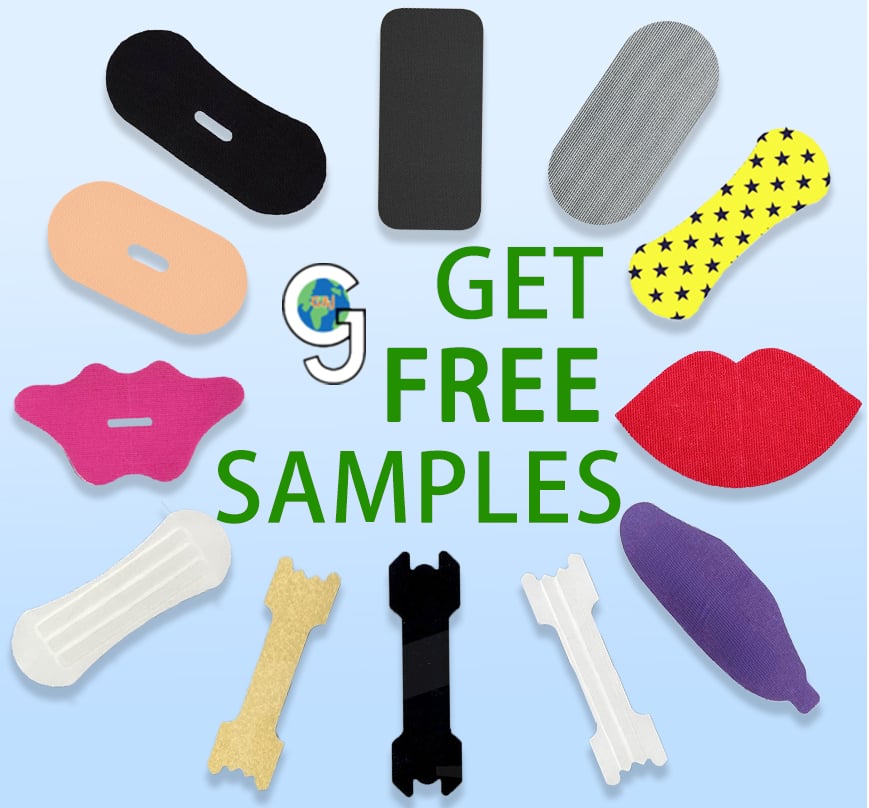
Instead of only using traditional skin-tone nasal strips, many modern brands now offer:
-
Cream colors
-
Matte black
-
Transparent styles
-
Neutral minimalist tones
-
Soft pastel shades
These colors are more suitable for:
-
Social media content
-
Modern beauty aesthetics
-
Nighttime skincare routines
-
Lifestyle branding
Some brands even position nasal strips as part of a nighttime self-care ritual.
Design Focus 2: Lifestyle-Oriented Shape Design
Without medical claims, product appearance becomes even more important.
1. Unique Shapes Help Differentiate the Brand
Besides standard nasal strip designs, more brands are now developing:
-
Curved ergonomic shapes
-
Butterfly styles
-
Minimal narrow-edge designs
-
Sports-inspired shapes
-
Beauty-focused aesthetic styles
Custom shapes can:
-
Improve brand recognition
-
Increase social media appeal
-
Create a premium product image
-
Strengthen emotional branding
This also makes the product easier to integrate into:
-
Fitness brands
-
Sleep wellness brands
-
Beauty and skincare brands
2. Premium Packaging Design
Modern consumers care heavily about packaging aesthetics.
Compared to traditional medical-style packaging, many successful brands now use:
-
Minimalist packaging
-
Soft color palettes
-
Luxury-inspired layouts
-
Skincare-style branding
-
Relaxation-themed visual design
This type of packaging performs especially well in:
-
Boutique retail stores
-
Wellness shops
-
TikTok marketing
-
Instagram branding
-
DTC websites
Design Focus 3: Build Value Through User Experience
When medical claims are limited, user experience becomes the core product value.
1. Essential Oils and Scented Concepts
Many premium nasal strip brands now incorporate scents such as:
-
Lavender
-
Chamomile
-
Cedarwood
-
Eucalyptus
-
Peppermint
However, instead of claiming to “treat insomnia,” brands typically position these scents as:
-
Relaxing nighttime atmosphere
-
Comfort-focused sleep routines
-
Fresh breathing sensation
-
Bedtime relaxation experience
This creates stronger emotional appeal while avoiding regulatory risks.
2. Expand Beyond Sleep Scenarios
Nasal strips are increasingly being used in:
-
Fitness
-
Running
-
Yoga
-
Meditation
-
Breathing exercises
Because of this, brands can market products around:
-
Recovery routines
-
Nighttime wellness
-
Relaxation support
-
Comfortable breathing experience
instead of relying on medical language.
Design Focus 4: Reduce the Barrier for First-Time Users
Many consumers worry about:
-
Adhesive being too strong
-
Pain during removal
-
Skin irritation
-
Uncomfortable sleeping experience
-
Unattractive appearance
To improve customer acceptance, brands should consider:
1. Multiple Adhesive Strength Options
For example:
-
Standard version
-
Strong-hold version
-
Sensitive skin version
-
Sports version
This helps serve different customer preferences.
2. Small Trial Packs
Smaller trial packs such as:
-
3-strip packs
-
5-strip packs
-
7-strip packs
can significantly reduce the psychological barrier for first-time purchases.
This strategy works especially well for:
-
TikTok ads
-
Influencer marketing
-
DTC conversion campaigns
-
Product testing promotions
Non-Medical Positioning Does Not Mean Low Product Value
Many successful brands have proven that nasal strips can still build strong market value without making medical claims.
Instead of focusing on treatment, modern brands succeed through:
-
Comfort
-
Aesthetic design
-
Emotional branding
-
Wellness positioning
-
Relaxation-focused experiences
The future of nasal strips is gradually shifting from “medical functionality” toward “lifestyle wellness.”
Final Thoughts
Without medical claims, the design direction of anti-snoring nasal strips should shift from “treatment” toward:
-
Comfort
-
Lifestyle aesthetics
-
Relaxation
-
Nighttime wellness
-
Breathing support experiences
A successful modern nasal strip brand is not simply selling a product — it is selling a healthier and more enjoyable nighttime lifestyle.
For new brands, reducing the medical image while strengthening emotional and lifestyle branding is often the most sustainable long-term strategy.
One-Stop Custom Tape & Patch Supplier, Fully Certified & Safety Guaranteed
Name: Vicky Zhou
Call/Text: +86 198 0595 7675
Email: [email protected]
Website:https://www.hlktape.com
YouTube:https://www.youtube.com/@HLKTape