
 EN
EN


What Materials Are Used in Custom Nasal Strips
Understanding the Material Foundation of Nasal Strips
Custom Nasal Strips rely on a combination of scientific material selection and precise manufacturing techniques. Each component of Nasal Strips—from the outer base layer to the adhesive system and the structural lifting elements—plays an essential role in airflow improvement, durability, and skin compatibility. When people use Nasal Strips for sleep, exercise, concentration, or daily breathing support, the effectiveness largely depends on what materials were chosen and how they were processed.
In many cases, the material structure affects breathability, elasticity, and the lifting force that opens the nasal passage. Whether a brand chooses non-woven fabric, PE film, or premium satin fabric, the goal is always to ensure that Nasal Strips remain comfortable and stable on the skin. The choice of materials also influences how well Nasal Strips stay attached during sweating, sleeping, or physical activity.
Another critical element in Nasal Strips is the adhesive. Medical-grade adhesives determine how safely and securely Nasal Strips stay in place without causing irritation or leaving residue. High-quality adhesives enable consistent adhesion across various skin types, including sensitive skin, making the overall experience more comfortable.
Beyond the materials themselves, Nasal Strips require precise production processes such as lamination, die-cutting, and customized printing. Each step contributes to the performance, appearance, and durability of Nasal Strips. Understanding the full material and craftsmanship system is essential for brands, distributors, and buyers seeking reliable OEM or ODM Nasal Strips.
Key Base Materials Used in Custom Nasal Strips
Non-Woven Fabric for Nasal Strips and Its Skin-Friendly Properties
Non-woven fabric is one of the most widely used base materials in Nasal Strips due to its soft texture and high breathability. This material allows Nasal Strips to remain gentle on the skin during long-term wear, making it suitable for users who wear Nasal Strips throughout the night or during workouts. Its breathable structure allows air exchange, reducing moisture buildup beneath the strip.
The flexibility of non-woven fabric supports natural facial movement, helping Nasal Strips maintain their position even during intense activities. Another advantage is its lightweight property, which makes Nasal Strips comfortable for users who prefer a barely noticeable wearing experience.
PE Film Nasal Strips and Their Structural Support Advantages
PE film is commonly chosen when a brand needs Nasal Strips with stronger lifting power. The material offers excellent structural stability and tensile strength, enabling Nasal Strips to open nasal passages more effectively. This makes PE-based Nasal Strips popular among users with stronger airflow restrictions or those who need firm support during sleep.
PE film also resists stretching and deformation. As a result, the lifting force exerted by Nasal Strips remains consistent across hours of use. Its smooth surface provides a clean, minimalistic appearance, making Nasal Strips suitable for professional or social environments where an unobtrusive look is preferred.
Satin and Premium Fabric Options for High-End Nasal Strips
For brands aiming to create premium Nasal Strips, satin fabric offers a luxurious and stylish presentation. Satin-based Nasal Strips are often chosen by lifestyle-focused users who seek both functionality and a fashionable design. Their smooth texture delivers enhanced skin comfort, and the glossy finish improves the product’s aesthetic appeal.
Satin materials also support high-quality printing techniques, allowing brands to create custom patterns, seasonal themes, or collaboration designs. Although satin is more premium, it still maintains enough flexibility and stability for everyday Nasal Strips use.
Adhesive Technologies Used in Nasal Strips
Medical-Grade Acrylic Adhesives for Safe Skin Contact
Medical-grade acrylic adhesive is the primary bonding material used in high-quality Nasal Strips. This adhesive type offers reliable adhesion without compromising skin health. It adheres securely to various skin types while maintaining comfort, making Nasal Strips suitable for sensitive users.
The adhesive’s stability ensures that Nasal Strips stay firmly attached despite sweat, oil, or movement. Because medical-grade acrylic adhesive is formulated for skin contact, it minimizes the risk of redness, irritation, or discomfort during extended wear.
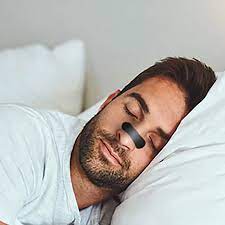
Performance Features of Henkel 129A Medical Adhesive
Henkel 129A medical adhesive is recognized for its exceptional biocompatibility and consistent performance. When applied to Nasal Strips, it improves durability and minimizes the risk of detachment during sleep or exercise. Its strong holding power ensures that Nasal Strips maintain their lifting function until intentionally removed.
Another benefit of this adhesive is its clean removal. Nasal Strips using this adhesive leave no residue, making them ideal for repeated daily use. Its safety and reliability contribute significantly to user satisfaction and long-term trust in the product.
How Adhesive Thickness and Coating Uniformity Affect Nasal Strip Performance
A crucial aspect of Nasal Strips manufacturing is adhesive thickness. An adhesive layer that is too thin may cause premature lifting, while a layer that is too thick can reduce breathability or cause skin discomfort. Consistent adhesive coating ensures uniform adhesion strength across the entire surface of Nasal Strips.
Uniform adhesive distribution improves stability, prevents peeling edges, and supports a smoother application. This is especially important for Nasal Strips used during sports activities, where sweating and movement challenge adhesion.
Manufacturing Processes Used in Custom Nasal Strips
Lamination Techniques Used to Bond Multi-Layer Nasal Strip Materials
Lamination is a foundational process in Nasal Strips manufacturing. It involves bonding multiple materials—such as PE film, non-woven fabric, and adhesives—into a unified structure. The precision of lamination affects how durable and comfortable Nasal Strips feel when applied.
During lamination, pressure and heat must be carefully controlled to maintain a secure bond without affecting the material’s softness or elasticity. The quality of lamination determines whether Nasal Strips can withstand stretching without separating or developing weak points.
Precision Die-Cutting for Consistent Shape and Fit
Die-cutting defines the final shape of Nasal Strips and influences how well they fit different nose shapes. Precision die-cutting ensures that each Nasal Strip maintains identical size and structure, allowing consistent performance across all pieces.
Accurate blade alignment and tight tolerance control help create Nasal Strips with smooth edges and ergonomic curves. These factors contribute to wearing comfort and overall user satisfaction.
Printing and Surface Finishing Methods for Custom Nasal Strips
Printing adds personalization to Nasal Strips, enabling brands to incorporate logos, patterns, or full-color artwork. Techniques such as screen printing, thermal transfer printing, and digital printing are commonly used. Satin and fabric-based Nasal Strips particularly benefit from high-resolution printing, enhancing visual appeal.
Surface finishing processes, including matte treatment or gloss enhancement, further refine the appearance and texture. These processes allow Nasal Strips to meet diverse market demands, from sporty looks to luxury aesthetics.
FAQ
Nasal Strips material safety considerations
Nasal Strips material safety considerations include choosing hypoallergenic adhesives, gentle base fabrics, and biocompatible components that reduce irritation while supporting long-term skin contact.
Nasal Strips storage and preservation guidelines
Nasal Strips storage and preservation guidelines include keeping strips in a cool, dry environment to maintain adhesive stability and protect the structural layers from humidity.
Nasal Strips suitability for repeated daily use
Nasal Strips suitability for repeated daily use depends on the quality of materials, the gentleness of the adhesive, and the breathability of the base fabric to ensure long-term comfort.
Nasal Strips application and removal technique
Nasal Strips application and removal technique involves applying them to clean, dry skin and removing them slowly to avoid discomfort and to maintain the adhesive performance over time.
One-Stop Custom Tape & Patch Supplier, Fully Certified & Safety Guaranteed
Name: Vicky Zhou
Call/Text: +86 198 0595 7675
Email: [email protected]
Website:https://www.hlktape.com
YouTube:https://www.youtube.com/@HLKTape