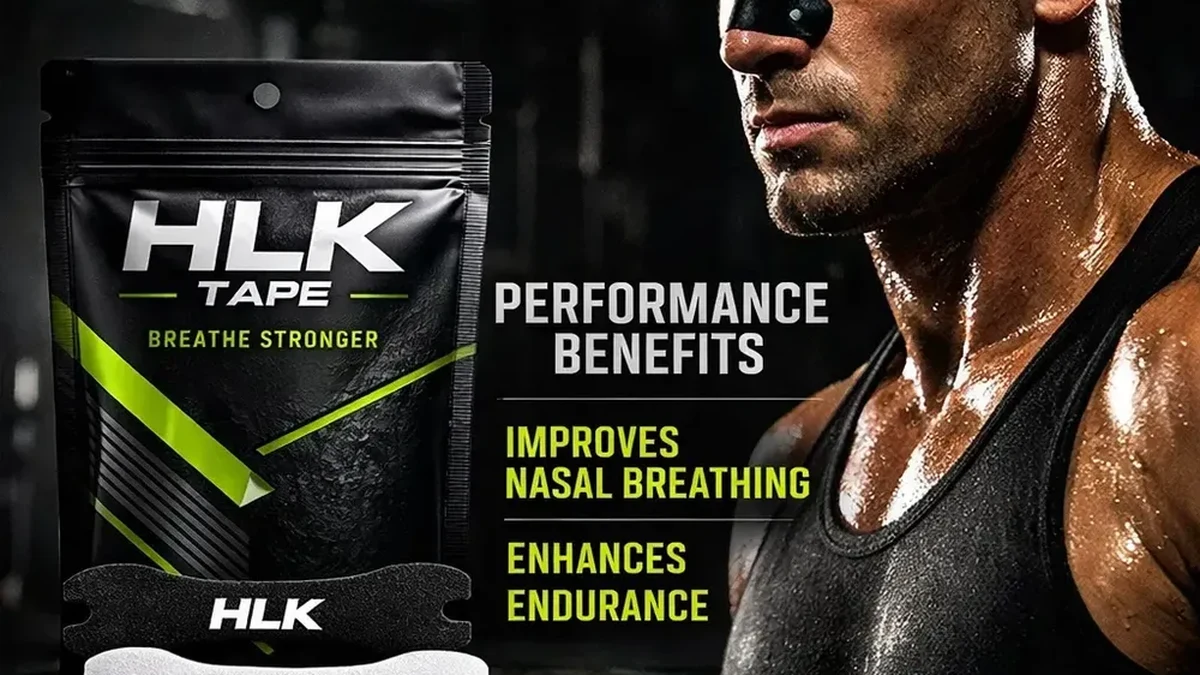
In the global sleep wellness and athletic performance markets, nasal strips are often viewed as simple adhesive consumables. Yet for private-label brand owners, procurement engineers, and distributors, customer reviews reveal an unforgiving physical reality: a nasal strip either lifts open the nasal passages effectively throughout the night, or it pops off the nasal bridge within two hours.
This performance balance is governed by a precise biomechanical trade-off: Internal Spring Rebound Force vs. Interfacial Peel Adhesion. If the internal spring is too rigid, the stored mechanical energy overpowers the skin adhesive, causing premature edge lifting. If the spring is too soft, the strip adheres comfortably but fails to dilate the internal nasal valve (the narrowest bottleneck of human airway resistance).
At Quanzhou Honglinkai New Material Co., Ltd. (HLK), manufacturing precision medical tapes and nasal dilator strips since 1993, we engineer spring resilience down to fractional Newtons. This technical guide examines the materials science, structural mechanics, and quality testing standards behind high-performance nasal strips.
1. Spring Mechanics: Dual PET vs. Single/Triple Spring Bars
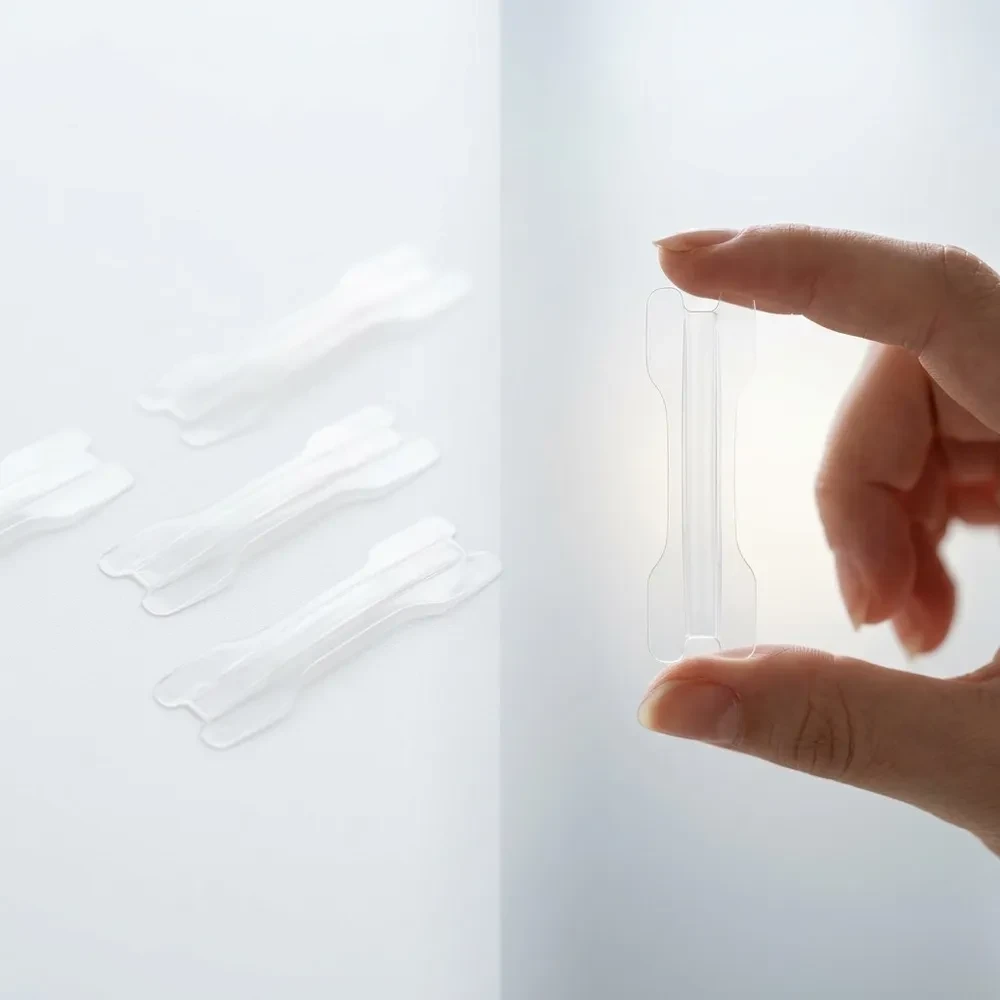
The core functional engine of any external nasal dilator is the internal elastic spring bar (resilient splint). When bent across the bridge of the nose, these parallel polymer bands act as cantilever springs, constantly attempting to snap back to their flat baseline state, thereby gently lifting the nasal alar walls outward.
- Dual-Spring Architecture (Industry Benchmark): Utilizes two parallel 0.20–0.25 mm resilient bands. Delivers balanced upward lift (0.25–0.40 N per wing) across the entire nasal valve zone while maintaining comfortable contouring over the nasal dorsum.
- Single-Spring Lightweight Construction: Employs a single wider central bar. Provides low opening force (0.15–0.22 N), making it suitable for sensitive pediatric use or daytime allergy relief packs.
- Extra-Strength / Triple-Spring Architecture: Incorporates wider dual PET bands or triple micro-bars designed specifically for heavy athletic exertion, sports mouthguard compatibility, and high-resistance nighttime breathing.
2. Spring Material Chemistry: PET vs. PVC Resins
Low-cost manufacturers frequently cut corners by using recycled PVC (Polyvinyl Chloride) or uncalibrated plastic film for the internal spring. This leads to two critical failure modes in retail distribution:
- Plastic Deformation & Spring Fatigue: PVC exhibits high molecular creep under body heat (36.5°C). Within 2–3 hours of wear, PVC springs lose over 40% of their rebound elasticity, collapsing inward.
- Thermal Brittleness: In winter retail transit, unannealed PVC turns brittle and can snap during application.
- The HLK Standard (Biaxially Oriented Medical PET): HLK utilizes virgin, medical-grade Biaxially Oriented Polyethylene Terephthalate (BOPET). Thermally set and stress-relieved, our PET spring bands maintain >92% of their initial spring rebound force after 10 hours of continuous body-temperature wear, certified non-toxic and non-plasticizer leaching.
3. The Critical Equilibrium: Rebound Force vs. 180° Peel Adhesion
Engineering a premium nasal strip requires balancing the opening spring force against skin adhesive parameters. Skin on the nasal bridge is uniquely challenging: it is rich in sebaceous glands, continually secretes facial sebum, and is exposed to perspiration during sleep or exercise.
- Adhesion Requirement: Standard adhesive tapes (4.0–6.0 N/25mm) fail rapidly on nasal bridges. HLK pairs high-rebound PET springs with specialized German Henkel-formulated medical Hot-Melt adhesives calibrated to 7.5–11.0 N/25mm 180° peel strength on steel (ASTM D3330).
- Tack & Quick Wet-Out: Rolling ball tack (#14–18) ensures immediate micro-anchoring upon finger pressure, preventing spring recoil during the first 30 seconds of placement.
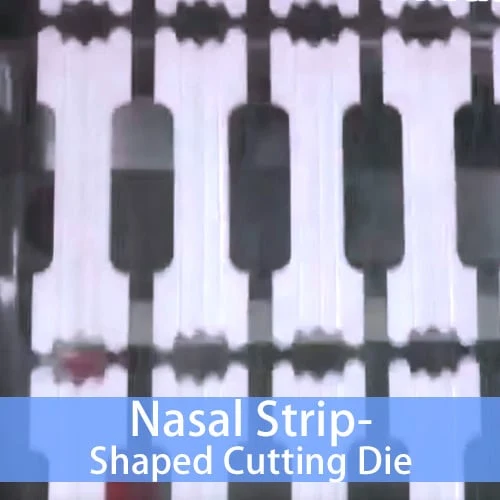
- Wing Geometry & Die-Cutting: The flared butterfly wings distribute peel shear stress across a broader surface area (reducing edge stress concentrations by over 35% compared to rectangular cuts).
4. Laboratory Testing & Quality Assurance Protocols
Every batch of nasal strips produced in HLK's clean-room facilities undergoes rigorous mechanical and regulatory verification:
- Spring Force Displacement Test: Automated tensile testing measuring spring restoring force at 45° and 90° deflection angles.
- Static Shear Resistance at 37°C (ASTM D3654): Testing under 1.0 kg load in a heated chamber to simulate nocturnal body warmth and facial skin oil exposure.
- ISO 10993 Biocompatibility Testing: Complete third-party safety certification for Cytotoxicity (ISO 10993-5), Skin Sensitization (ISO 10993-10), and Primary Skin Irritation (ISO 10993-23).
- Full Regulatory Traceability: Documented under EUDAMED Actor SRN `CN-MF-000049679` and CE compliance standards.
5. OEM Customization Matrix for International Importers
HLK supports brand owners with complete OEM/ODM flexibility across key product dimensions:
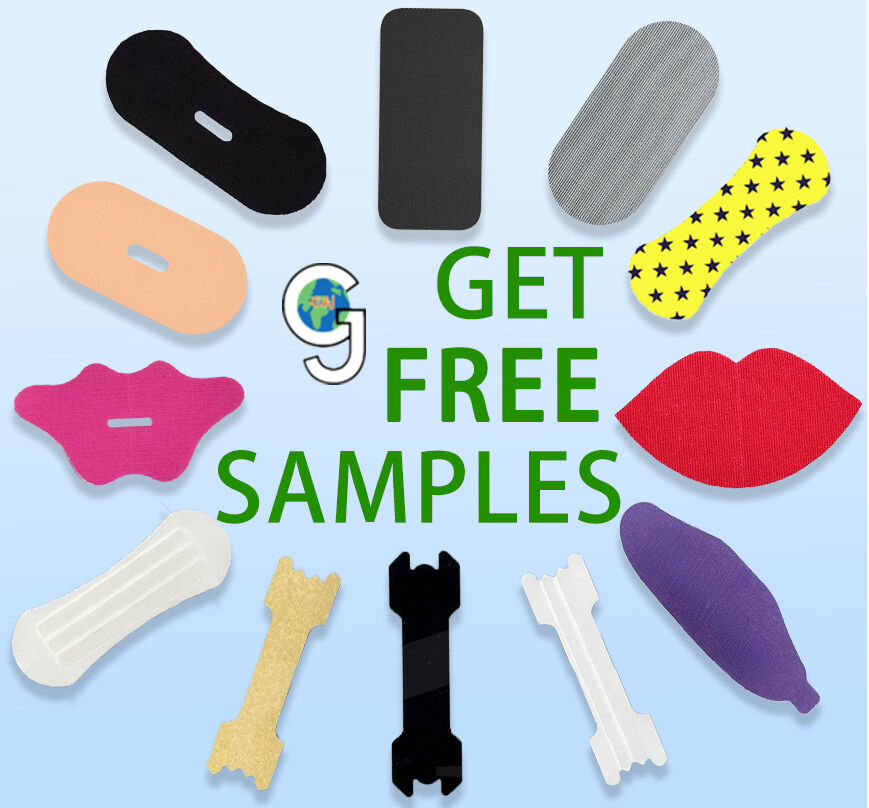
- Backing Substrates: Breathable Non-Woven Rayon (Skin Tone / Tan), Crystal Clear Transparent PE (Invisible Day Wear), or Elastic Woven Fabric (Extra-Strength Sports).
- Sizing Standards: Small/Medium (55 mm x 16 mm, fits 75% of adult noses) and Large/Extra-Strength (66 mm x 19 mm, for broader bridges and athletic use).
- Functional Enhancements: Natural Menthol, Eucalyptus, or Lavender essential oil micro-capsules embedded for aromatherapy nighttime breathing.
- Retail Packaging: Custom printed individual peel pouches, counter display boxes (10 / 30 / 50 count), and eco-friendly tinplate cases.
Explore our full technical documentation on our Product Documents & Certifications portal, or review complete OEM capabilities on our Nasal Strips Sourcing and Mouth Tape Manufacturing hubs.
Request Free Nasal Strip Engineering Sample Kits
Evaluate our spring rebound elasticity, adhesive wet-out hold, and skin comfort on your own testing panels. HLK provides complimentary prototype sample kits across Classic Tan, Transparent PE, and Extra-Strength Sports configurations.
Contact our export engineering team directly at salesmanager@hlktape.com or via WhatsApp at +86-19805957675 to request sample shipments and custom die-line templates today.