
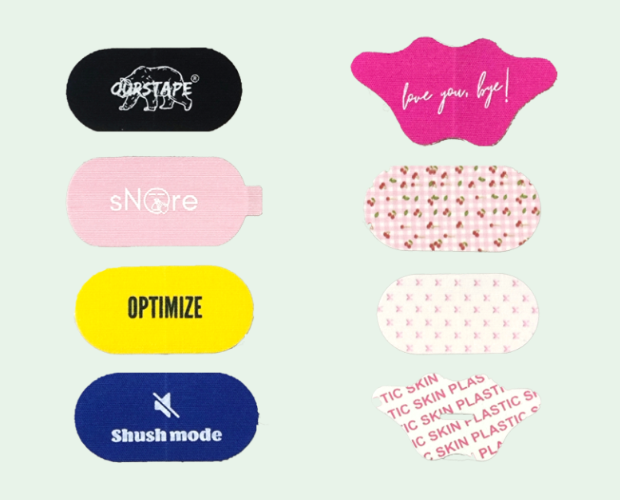
1. Strategic Foundations of a Mouth Tape Product Portfolio
1.1 Market Segmentation and User Profiling
Effective portfolio design begins with detailed market segmentation. Core mouth tape consumer groups typically include:
- Occasional or mild snorers seeking a simple, low-cost solution
- Chronic snorers and sleep-quality-focused users prioritizing comfort and reliability
- Athletes and fitness enthusiasts focused on recovery, oxygen efficiency, and sleep depth
- Premium wellness consumers with high sensitivity to materials, safety, and user experience
Demographic analysis further refines portfolio strategy. Younger consumers often value convenience, aesthetics, and ease of use, while older users place greater emphasis on effectiveness, skin compatibility, and overnight stability. These distinctions form the basis for rational product tiering and feature allocation.
1.2 Product Differentiation and Tier Logic
A professional mouth tape portfolio is not defined by the number of SKUs, but by clear functional and value differentiation between tiers. Most successful portfolios include:
- Entry-level (Basic) products focused on accessibility
- Mid-tier (Core) products balancing performance and price
- Premium (Advanced / Professional) products emphasizing materials, comfort, and technology
Differentiation is achieved through controlled variation in substrate materials, adhesive systems, design ergonomics, packaging, and supporting education.
2. Tier Structure and Product Positioning
2.1 Premium Tier: Brand Authority and Technical Leadership
The premium tier serves as the technological and reputational anchor of the portfolio. These products typically feature:
- Medical-grade or high-specification skin-contact materials
- Advanced, low-irritation adhesive formulations
- Optimized shapes designed for facial anatomy and long-duration wear
- Enhanced breathability and moisture management
Premium mouth tape targets users with higher expectations, including athletes, wellness-focused professionals, and consumers with prior experience using sleep aids. While volumes may be lower, margins are higher, and the tier plays a critical role in reinforcing brand credibility within the sleep health category.
2.2 Mid-Tier: Volume Driver and Market Stability
The mid-tier represents the commercial backbone of most mouth tape portfolios. Design priorities include:
- Proven, stable materials with reliable performance
- Balanced adhesive strength suitable for regular overnight use
- Cost-efficient manufacturing without compromising comfort
This tier appeals to repeat users seeking dependable results at an accessible price point. Feature selection must clearly outperform entry-level products while remaining distinct from premium offerings to avoid internal competition.
2.3 Entry-Level Tier: Market Penetration and User Acquisition
Entry-level mouth tape products are designed to reduce adoption barriers and encourage first-time use. Key characteristics include:
- Standardized shapes and materials
- Basic adhesive performance sufficient for mild snoring control
- Competitive pricing for trial and promotional use
This tier is particularly effective for e-commerce traffic acquisition, bundled sales, and introductory campaigns, helping brands build a broader user base and educate consumers.
3. Materials and Technology Strategy Across Tiers
3.1 Adhesive System Differentiation
Adhesive performance is central to mouth tape effectiveness and user satisfaction. Tiered portfolios typically apply:
- Premium adhesives : medical-grade, residue-free, moisture-resistant
- Mid-tier adhesives : stable adhesion with controlled peel strength
- Entry-level adhesives : cost-optimized formulations meeting basic requirements
Differentiation at the adhesive level allows manufacturers to control costs while delivering perceptible performance improvements between tiers.
3.2 Substrate Material Selection
Substrate choice affects breathability, softness, durability, and skin tolerance:
- Premium products often use breathable, medical-grade nonwoven or composite materials
- Mid-tier products utilize performance-tested functional nonwovens
- Entry-level products rely on cost-effective substrates with acceptable comfort
Strategic material selection ensures safety and regulatory compliance while supporting clear product positioning.
4. Pricing Strategy and Competitive Positioning
4.1 Value-Based Pricing Architecture
Pricing across tiers should reflect perceived user value rather than cost alone. Consumers typically associate higher prices with:
- Improved comfort and skin compatibility
- Enhanced overnight reliability
- Professional or medical-grade positioning
A clear price ladder encourages gradual customer upgrading and increases lifetime value without forcing premium adoption prematurely.
4.2 Competitive Landscape Analysis
In an increasingly crowded mouth tape market, differentiation must be explicit and defensible. Successful positioning highlights:
- Clear tier-specific benefits
- Targeted user scenarios
- Tangible material and performance distinctions
This approach reduces price-based competition and strengthens brand resilience.
5. Channel Strategy and Inventory Planning
5.1 Channel Alignment by Product Tier
Optimal channel selection supports both pricing integrity and customer education:
- Premium products: DTC platforms, brand websites, wellness and specialty retailers
- Mid-tier products: major e-commerce platforms, pharmacies, lifestyle retail
- Entry-level products: promotional channels, bundles, cross-border marketplaces
Aligning tiers with appropriate channels protects brand perception and margin structure.
5.2 Inventory and Supply Chain Considerations
Different tiers exhibit distinct demand patterns and turnover rates. Effective portfolio management requires:
- Tier-specific demand forecasting
- Flexible production planning
- Optimized packaging and logistics strategies
As portfolio complexity increases, disciplined inventory control becomes essential to maintaining profitability.
6. Quality Control and Regulatory Compliance
6.1 Tiered Quality Management Systems
All mouth tape products must meet baseline safety and performance standards. Premium products, however, often require:
- Enhanced testing protocols
- Tighter process tolerances
- More comprehensive documentation
A scalable quality framework ensures consistency while controlling costs across tiers.
6.2 Regulatory and Market Access Strategy
Regulatory requirements vary by region and product claims. Premium mouth tape products that reference health or therapeutic benefits may face stricter oversight. Proactive compliance planning enables smoother international expansion and protects brand reputation.
7. Conclusion: Building a Sustainable, Scalable Mouth Tape Portfolio
A professional mouth tape product portfolio is not simply a collection of SKUs, but a strategically engineered system that aligns user needs, material science, cost structures, and brand positioning.
By implementing clear tier differentiation, disciplined pricing logic, and consistent quality standards, manufacturers and brands can expand market reach, strengthen competitive advantage, and establish long-term leadership in the evolving sleep wellness industry.