
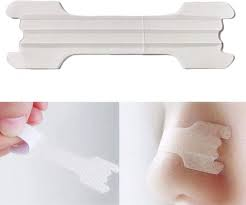
Manufacturing Considerations for Medical Grade Adhesive Integration
Production Environment Controls
The manufacturing of nasal strips incorporating medical grade adhesive requires controlled production environments that maintain strict cleanliness and contamination prevention protocols. Clean room facilities equipped with appropriate filtration systems ensure that the adhesive application process occurs in sterile conditions free from particulates or biological contaminants that could compromise product quality.
Quality control systems monitor every aspect of the medical grade adhesive application process, from incoming material inspection through final product testing. These comprehensive monitoring protocols ensure consistent adhesive coverage, proper curing conditions, and adherence to established performance specifications throughout production runs.
Quality Assurance Testing Procedures
Rigorous quality assurance testing validates the performance of medical grade adhesive applications in finished nasal strip products. These testing protocols evaluate adhesion strength consistency, peel force characteristics, and aging stability under accelerated conditions that simulate extended storage periods. Regular testing ensures that every batch of products meets established quality standards before reaching consumers.
Statistical process control methods track adhesive performance metrics over time, identifying trends or variations that could indicate potential quality issues. This proactive approach to quality management helps manufacturers maintain consistent product performance while identifying opportunities for continuous improvement in their medical grade adhesive application processes.
Innovation Trends in Medical Adhesive Technology
Advanced Polymer Chemistry
Recent developments in polymer chemistry have enabled the creation of next-generation medical grade adhesive formulations that offer enhanced performance characteristics while maintaining excellent biocompatibility profiles. These innovations include the development of smart adhesives that respond to environmental conditions, providing stronger adhesion when needed while facilitating easier removal under specific circumstances.
Nanotechnology integration has opened new possibilities for medical grade adhesive enhancement, allowing manufacturers to incorporate antimicrobial properties, improved breathability, and enhanced comfort features into their adhesive systems. These technological advances represent significant opportunities for nasal strip manufacturers seeking to differentiate their products in competitive healthcare markets.
Sustainable and Eco-Friendly Options
Environmental consciousness has driven innovation in sustainable medical grade adhesive formulations that maintain performance standards while reducing environmental impact. Bio-based adhesive components derived from renewable resources offer promising alternatives to traditional petroleum-based adhesive systems without compromising safety or effectiveness.
Manufacturers increasingly prioritize medical grade adhesive suppliers who demonstrate commitment to sustainable production practices and environmental stewardship. These partnerships support corporate sustainability goals while ensuring access to innovative adhesive technologies that meet evolving consumer expectations for environmentally responsible healthcare products.
Cost Considerations and Value Analysis
Total Cost of Ownership Evaluation
While medical grade adhesive materials may represent a significant portion of nasal strip production costs, comprehensive value analysis demonstrates that investing in quality adhesive systems delivers superior long-term value. High-performance adhesives reduce product failure rates, minimize customer complaints, and support premium pricing strategies that improve overall profitability.
Manufacturers who prioritize medical grade adhesive quality often experience reduced warranty claims, improved customer loyalty, and enhanced brand reputation that translates into sustainable competitive advantages. These benefits typically outweigh the initial investment in premium adhesive materials, making quality adhesive selection a strategic business decision rather than merely a cost consideration.
Supply Chain Risk Management
Establishing reliable supply relationships with qualified medical grade adhesive suppliers represents a critical component of successful nasal strip manufacturing operations. Diversified supplier networks help mitigate risks associated with supply disruptions, quality variations, or regulatory changes that could impact production continuity.
Strategic partnerships with medical grade adhesive suppliers often provide access to technical expertise, product development support, and regulatory guidance that enhances overall manufacturing capabilities. These collaborative relationships enable continuous improvement initiatives and support the development of innovative products that meet evolving market demands.
FAQ
What makes an adhesive suitable for medical grade applications?
Medical grade adhesive must undergo extensive biocompatibility testing to ensure it does not cause adverse reactions when in contact with human skin. This includes cytotoxicity testing, skin irritation studies, and sensitization evaluations. The adhesive must also meet strict regulatory standards set by organizations like the FDA and maintain consistent performance under various environmental conditions while being gentle enough for sensitive skin applications.
How does medical grade adhesive affect the performance of nasal strips?
The quality of medical grade adhesive directly impacts how well nasal strips adhere to the skin, how long they stay in place, and how comfortably they can be removed. High-quality medical grade adhesive provides reliable bonding strength throughout the night while remaining gentle on sensitive nasal skin. Poor quality adhesives may cause skin irritation, fail to maintain adhesion, or leave residue upon removal.
Are there different types of medical grade adhesive for nasal strip applications?
Yes, various formulations of medical grade adhesive are available, each designed for specific applications and skin types. Some are formulated for extra-strong adhesion for active users, while others prioritize gentleness for sensitive skin. Advanced formulations may include hypoallergenic properties, latex-free compositions, or specialized polymer blends that provide optimal balance between adhesion strength and skin compatibility.
How do manufacturers ensure consistent quality in medical grade adhesive applications?
Manufacturers implement comprehensive quality control systems that monitor medical grade adhesive application from incoming material inspection through final product testing. This includes maintaining controlled production environments, conducting regular adhesion strength testing, monitoring peel force characteristics, and performing aging stability studies. Statistical process control methods track performance metrics over time to identify any variations that could affect product quality.