
Practical Applications for Different Types of Exercise
Endurance Sports and Aerobic Activities
Endurance athletes, including marathon runners, cyclists, and triathletes, often find nasal strips particularly beneficial due to the sustained nature of their activities. During long-duration exercises, maintaining efficient nasal breathing can help preserve hydration levels and reduce the metabolic cost of respiration. The strips allow athletes to maintain nasal breathing at higher intensities than would otherwise be possible, potentially improving race day performance and training quality.
Swimming represents a unique application where nasal strips must withstand water exposure while providing respiratory benefits during training and warm-up phases. Waterproof nasal strips designed specifically for aquatic activities have shown promise in helping swimmers maintain clear nasal passages between pool sessions and during dry-land training components. The reduced nasal congestion can be particularly beneficial for swimmers who train in chlorinated environments.
High-Intensity Interval Training and Strength Sports
High-intensity interval training and strength-based activities present different challenges for nasal strip applications. During brief, intense efforts, athletes typically rely heavily on mouth breathing to meet immediate oxygen demands. However, nasal strips can provide benefits during rest intervals and recovery periods by promoting more efficient nasal breathing and faster return to baseline respiratory rates.
Powerlifters and strength athletes may find nasal strips helpful during warm-up routines and between sets when maintaining controlled breathing is important for preparation and recovery. The improved nasal airflow can help maintain focus and reduce the sensation of stuffiness that sometimes occurs in climate-controlled gym environments. Additionally, better nasal breathing during rest periods can contribute to improved overall workout quality and reduced fatigue accumulation.
Selection and Proper Usage Guidelines
Choosing the Right Type of Nasal Strip
The market offers various types of nasal strips designed for different applications and user preferences. Standard adhesive strips work well for most indoor activities and shorter exercise sessions, while heavy-duty or sport-specific versions provide enhanced adhesion for prolonged use and high-sweat activities. Some advanced designs incorporate magnetic elements or alternative materials that may offer improved durability and comfort during extended wear.
Sizing considerations are crucial for optimal effectiveness, as improperly fitted nasal strips may provide minimal benefit or cause discomfort. Most manufacturers provide sizing guides based on nasal bridge width, but individual testing often determines the best fit. Athletes should experiment with different brands and sizes during training sessions before committing to a particular product for competition use.
Application Techniques and Best Practices
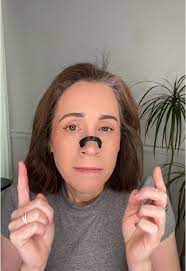
Proper application technique significantly impacts the effectiveness of nasal strips during exercise. The nasal area should be clean and dry before application, with any oils or moisture removed to ensure optimal adhesion. The strip should be centered over the nasal bridge and pressed firmly to create good contact with the skin. Gentle upward pressure while smoothing the edges helps activate the lifting mechanism that opens the nasal passages.
Timing of application can influence both comfort and effectiveness during exercise. Applying nasal strips 10-15 minutes before beginning physical activity allows the adhesive to set properly and the nasal tissues to adapt to the mechanical lifting action. Removing the strips should be done carefully, preferably after moistening the adhesive edges to prevent skin irritation or damage to the sensitive nasal area.
Potential Limitations and Considerations
Individual Variation in Response
Not all individuals experience the same level of benefit from nasal strips, and response can vary significantly based on personal anatomy and breathing patterns. Athletes with pre-existing nasal conditions, such as chronic rhinitis or structural deviations, may find that nasal strips provide only partial relief and may need to explore additional interventions. Understanding these limitations helps set realistic expectations and guides appropriate usage decisions.
The placebo effect can also play a role in perceived benefits from nasal strips, particularly regarding subjective measures like breathing ease and exercise comfort. While this psychological component doesn't diminish the potential value for individual users, it highlights the importance of objective performance measures when evaluating the true effectiveness of nasal strips for specific athletic applications.
Skin Sensitivity and Long-term Use
Regular use of nasal strips can occasionally lead to skin sensitivity or irritation, particularly in individuals with sensitive skin or those who sweat heavily during exercise. The adhesive materials and the mechanical stress of repeated application and removal may cause minor skin reactions in susceptible users. Rotating application sites slightly or using hypoallergenic versions can help minimize these issues.
Long-term dependency concerns are generally minimal with nasal strips since they provide purely mechanical assistance without altering natural breathing physiology. However, athletes should be aware that the subjective improvement in breathing may create a psychological reliance that could affect confidence during competitions where strip use is not practical or permitted by regulations.
FAQ
How long before exercise should I apply nasal strips for optimal effectiveness
For best results, apply nasal strips approximately 10-15 minutes before beginning your exercise routine. This timing allows the adhesive to properly set against your skin and gives your nasal tissues time to adjust to the mechanical lifting action. Applying too early may result in reduced adhesion due to natural skin oils, while applying immediately before exercise might not provide the full opening effect during the crucial early minutes of your workout.
Can nasal strips help with exercise-induced asthma or breathing difficulties
While nasal strips can improve nasal airflow and may provide some subjective breathing improvement, they are not a treatment for exercise-induced asthma or other respiratory conditions. These devices work mechanically to open nasal passages but do not address inflammation, bronchospasm, or other underlying respiratory issues. Athletes with diagnosed breathing conditions should consult their healthcare providers before relying on nasal strips and should continue following prescribed treatment protocols.
Are there any sports or activities where nasal strips are not recommended
Nasal strips are generally safe for most sports and exercise activities, but certain situations may limit their effectiveness or practicality. Contact sports with high risk of facial contact may cause strips to dislodge or contribute to skin abrasions. Swimming in chlorinated pools may reduce adhesive effectiveness, though waterproof versions are available. Additionally, some competitive sports organizations may have regulations regarding external devices, so athletes should verify rules before competitions.
How do I know if nasal strips are actually improving my exercise performance
The most reliable way to assess nasal strip effectiveness is through systematic testing during similar workout conditions. Monitor objective measures such as heart rate patterns, perceived exertion levels, and exercise duration or intensity when using strips versus without them. Keep training logs noting breathing comfort, recovery time between intervals, and overall workout quality. Some athletes also find it helpful to have training partners observe breathing patterns and effort levels during comparable exercise sessions with and without nasal strips.